
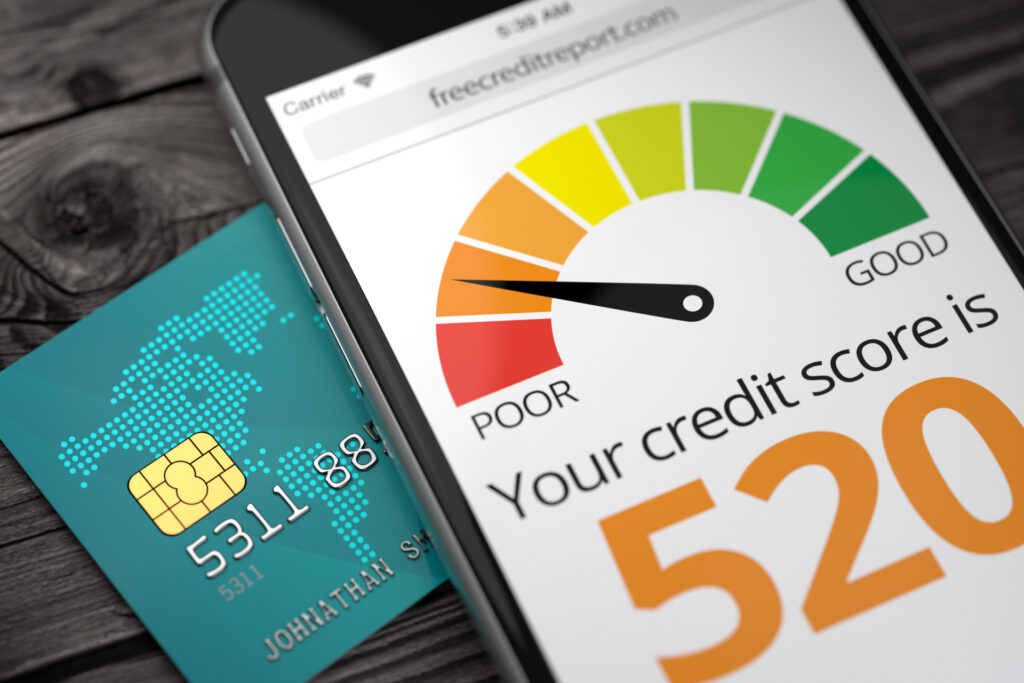
When your credit is bruised, “big fixes” often backfire: you pay a big lump sum quickly, then the next instalment hits and you miss it. Credit rebuilding isn’t about one impressive payment; it’s about stacking on-time payments until your record looks stable again. That’s the 2026 reset mindset: consistency over intensity.
The “small, predictable repayment” strategy means choosing a manageable amount and paying it on the same date, using the same method every month. It works because predictable payments remove last-minute choices and stress, and smaller instalments are far less likely to cause cash flow problems. If you have borrowed from a licensed moneylender in Singapore, a fixed schedule can make it easier to stay on track and rebuild trust month by month.
This blog aims to guide you on how to rebuild your credit in 2026 using the “small, predictable repayment” strategy, especially if you’re starting with bad credit.
The Small, Predictable Repayment Plan: 7 Steps To Rebuild Credit In 2026
1) Prioritise stability over speed.
Credit systems reward reliability. One on-time payment doesn’t change much, but a string of on-time payments over months shows real improvement. Hence, in 2026, rebuilding your credit must start with choosing a pace you can maintain without stress.
2) Understand what lenders actually look at.
Lenders focus heavily on your repayment behaviour, not just your outstanding balance. They look for patterns that show whether you pay on time, every month, without reminders or last-minute scrambling. A consistent repayment history over several months signals lower risk than a single large payment followed by irregular behaviour. This is especially important if your credit history already includes late payments or defaults. Rebuilding trust comes from showing that those patterns have changed.
3) Build your credit by reducing missed payments.
When your credit record is already weak, missed payments are the one thing you can’t afford to add. Each late repayment doesn’t just “pause” your progress; it actively pushes your profile in the wrong direction by signalling higher risk. If you’ve struggled with missed payments before, you must consider adjusting the plan, building a small buffer, and automating reminders or scheduled transfers. The point is to remove the situations that cause late payments in the first place. Once you stop adding new negatives, your credit profile starts to stabilise.
4) Set up small, predictable repayments.
A small, predictable repayment is an amount you can pay even in a difficult month, without borrowing again or skipping essentials. The amount stays the same, the payment date stays the same, and the payment method stays the same. This removes uncertainty and keeps repayments simple. When repayments are predictable, they become part of your routine rather than a monthly source of stress. That routine is what helps prevent missed or late payments.
5) Choose a repayment structure that supports consistency.
A good repayment structure makes it easier to stay on track, not harder. Clear instalments, fixed dates, and transparent terms allow you to plan your monthly budget with confidence. This is why some borrowers choose licensed money lenders in Singapore, as they operate under regulations that require clear terms and defined repayment schedules. When rebuilding credit, structure matters more than flexibility.
6) Track progress month by month.
Progress doesn’t usually feel dramatic at first. It looks like paying on time every month, with less stress and fewer financial surprises. After several months, your repayment history starts to look calmer and more stable. This steady pattern is what lenders want to see. Over time, that stability opens the door to better financial options.
7) Commit to long-term credit recovery.
Rebuilding credit is a process, not a quick repair. Temporary fixes and aggressive repayments often lead to setbacks that undo progress. A long-term approach focuses on habits and systems that support consistency. By sticking to small, predictable repayments, you’re not just fixing your credit, you’re rebuilding control over your finances. That foundation matters far more than any short-term win.
By keeping repayments manageable and structured, borrowers are better able to maintain consistency over time. That consistency is what supports credit rebuilding. Fast Money structures repayment plans that are realistic and easy to maintain. This approach fits naturally with the small, predictable repayment strategy, making it easier for people to rebuild bad credit over time.
Conclusion:
Rebuilding your credit in 2026 doesn’t require drastic moves; it requires a system you can stick to. Small, predictable repayments help you protect your progress and rebuild trust one on-time payment at a time. If you need a repayment plan that’s realistic and structured for consistency, Fast Money can help you set one up properly. Get in touch with us today to explore a clear, manageable repayment plan that supports your credit recovery instead of setting you back. The sooner you start building consistency, the sooner your credit profile starts to improve.